Zone In
Zone-In is a physical game designed to alleviate workplace stress by giving employees the opportunity to focus on the present moment.
Duration
3 month
Role
Solo
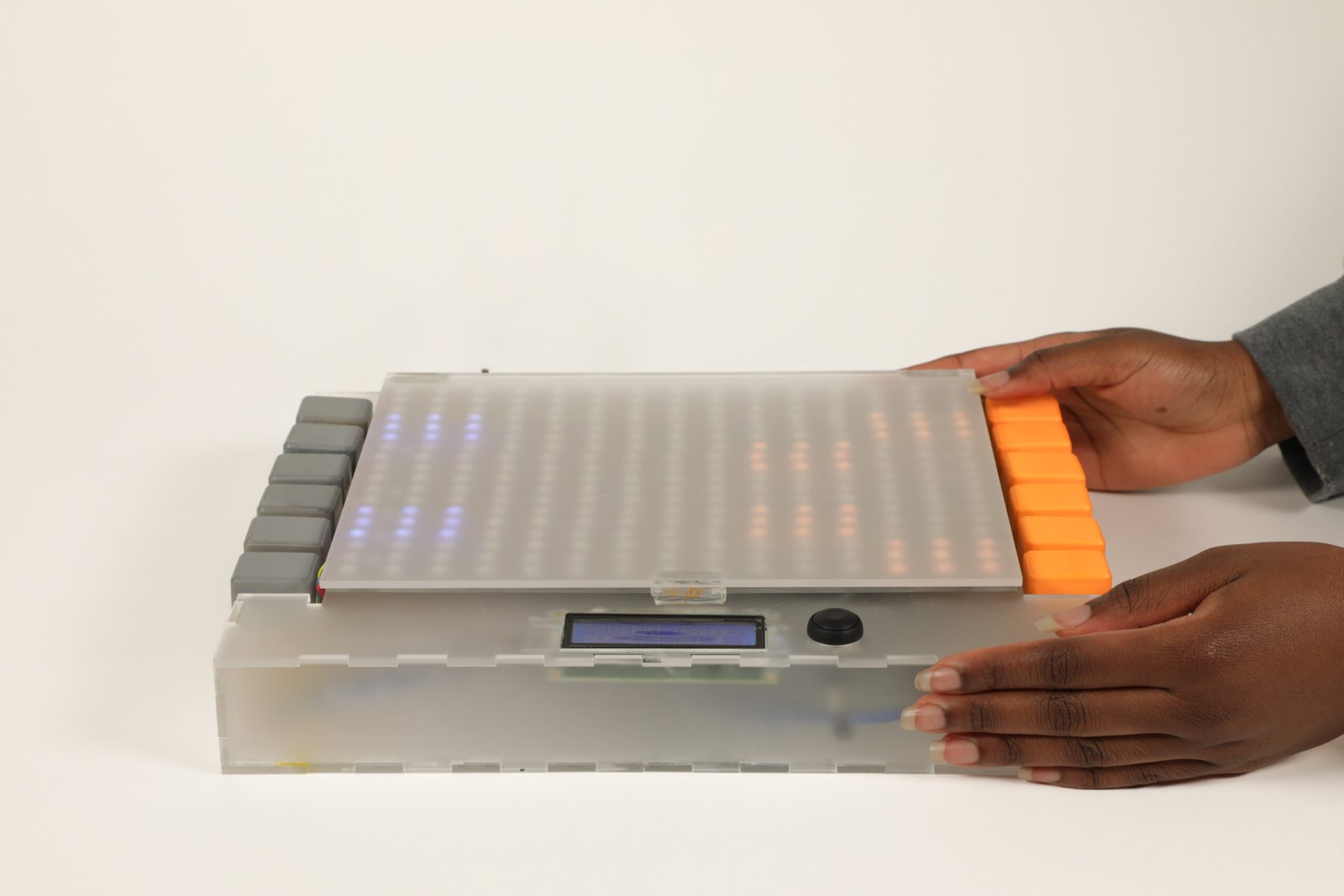
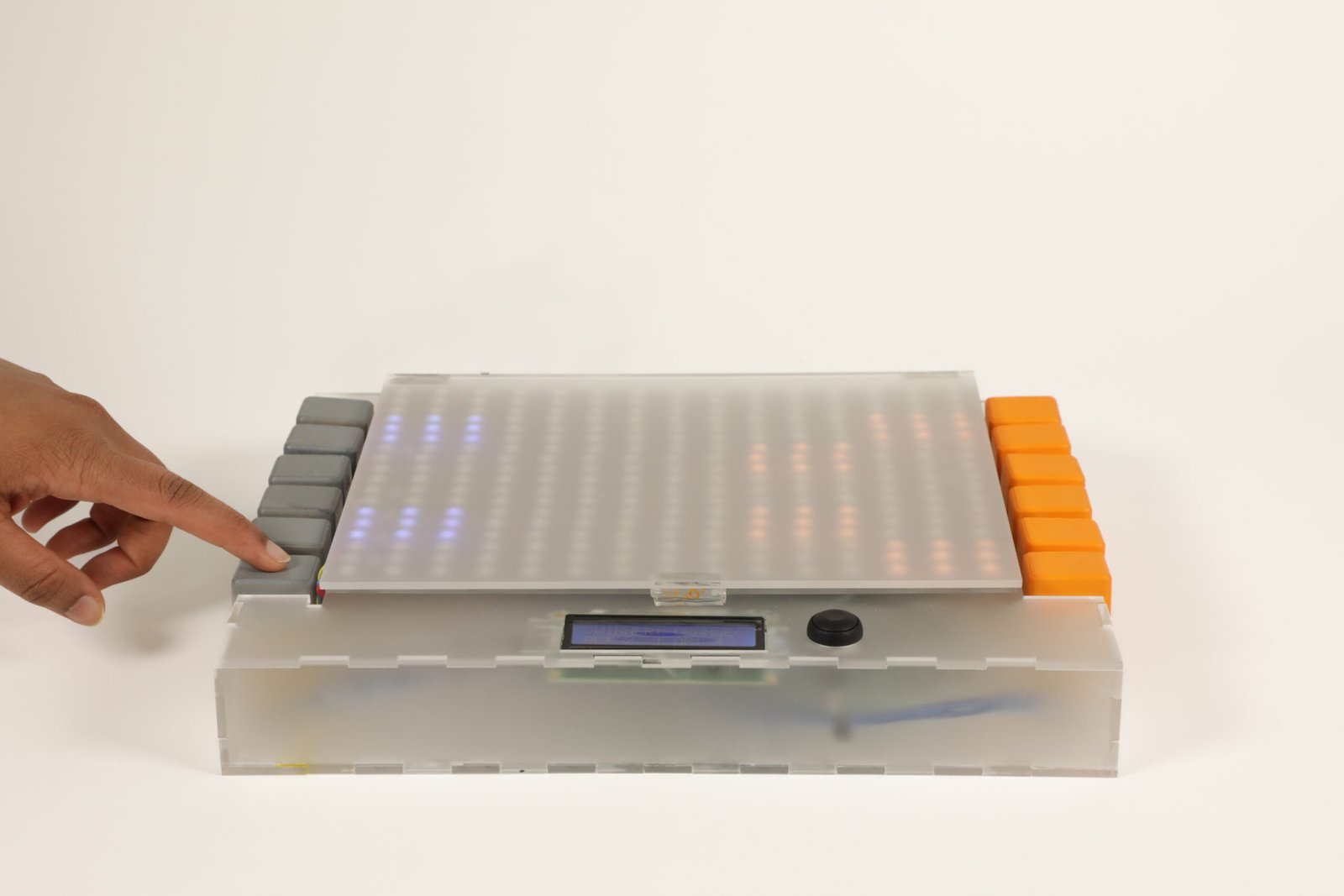
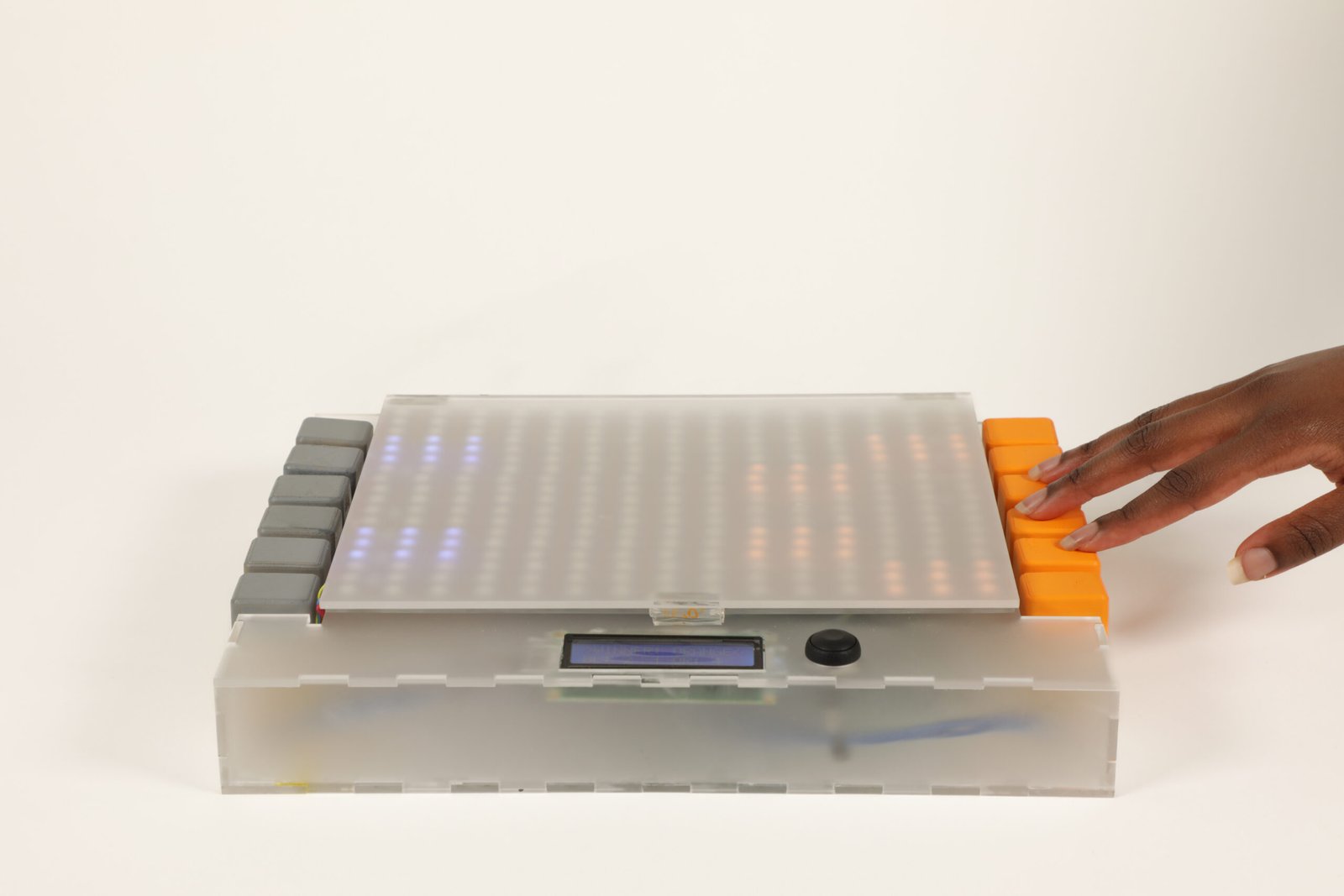
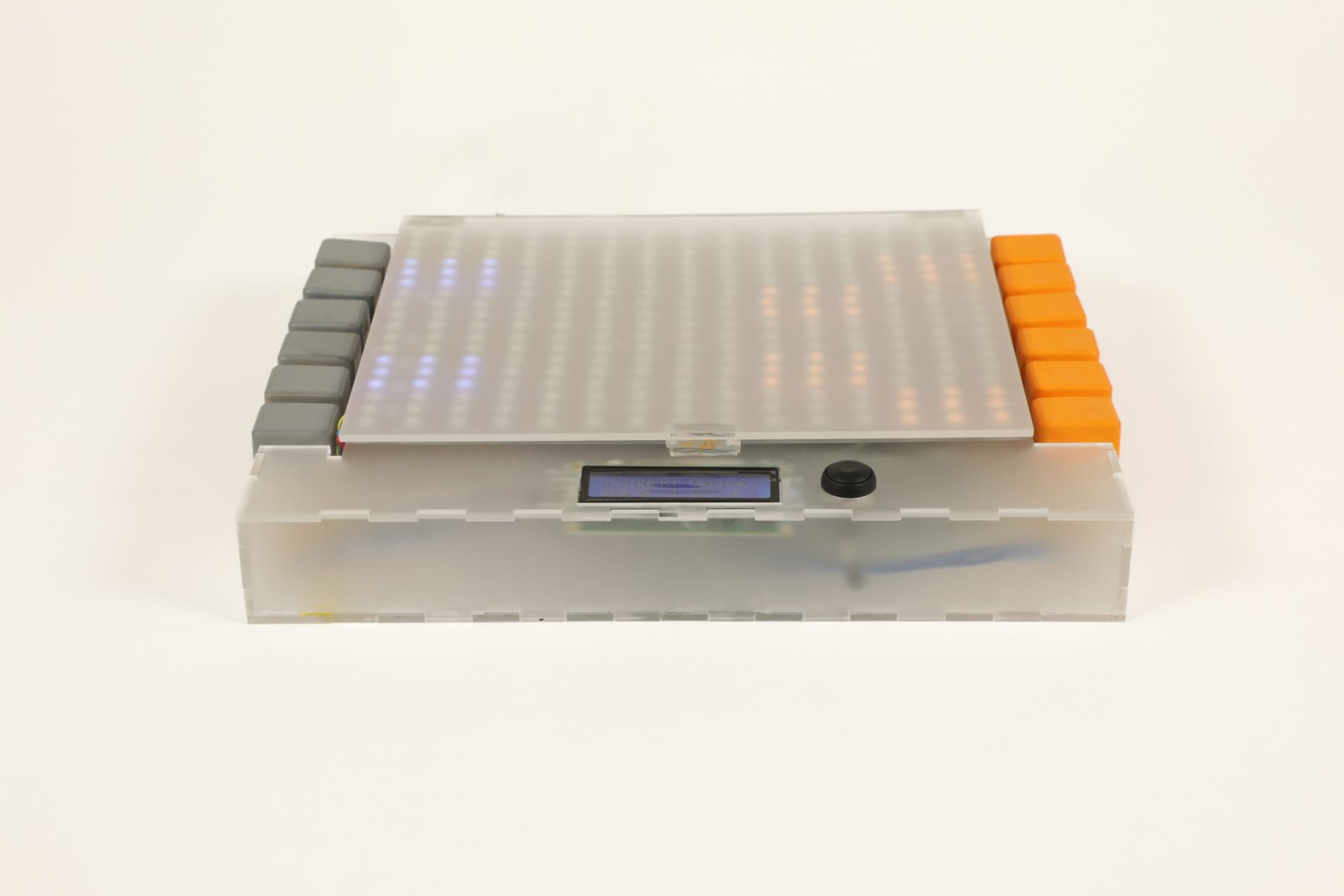


Zone-In is a physical game designed to alleviate workplace stress by giving employees the opportunity to focus on the present moment.
Duration
3 month
Role
Solo
In the workplace, where deadlines and a high volume of tasks often lead to stress, employees’ mental well-being is at risk. Here, employees seek ways to escape the relentless pressures of their work environment. Enter Zone-In, a physical game designed to alleviate workplace stress by providing employees with the time and space to focus on the present moment, offering a rejuvenating experience. With its innovative approach to relaxation and focus, Zone-In serves as a refuge from the pressures of modern work culture. It offers a space for disconnecting from screens, fostering connections with colleagues, and improving mental well-being.
Inspired by the principles of flow state theory, our mission is to enable employees to enter a state of flow, focusing on the game rather than their work tasks. Incorporating physical games encourages face-to-face interaction, stimulates creativity and problem-solving skills, and provides employees with opportunities for mental stimulation and skill development while fostering a fun and interactive work environment.
Zone-In is designed for office workers, particularly those navigating stressful environments such as tech companies and creative agencies. These professionals face heavy workloads, tight deadlines, and intense pressure. The aim is to provide a solution that promotes stress alleviation and focus during the workday, offering employees a space where they can temporarily escape their tasks and take control of their mental well-being.
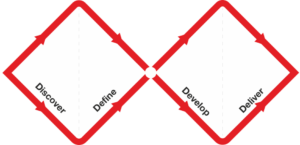
By integrating elements of the Double Diamond model, I can add a structured framework to the project, ensuring thorough exploration and development phases (Design Council, 2023). The phased approach of the Double Diamond model provides a balanced way to create an innovative, user-centric game that easily integrates into the busy workday and effectively promotes employee well-being.
I became fascinated by flow state theory, particularly its ability to immerse individuals in the present moment. This led me to explore how people achieve flow, as described by Csikszentmihalyi, where one feels fully engaged and in control, with time slipping away. Achieving this state involves focused attention, clear goals, immediate feedback, and balancing challenge with skill to avoid boredom or anxiety. With a recent rise in Britain’s working hours, 20.1% of the UK working population works 45 hours or more each week. the human costs of work-related stress are increasing, highlighting the importance of managing stress to maintain well-being.
The benefits of having game in workplace:
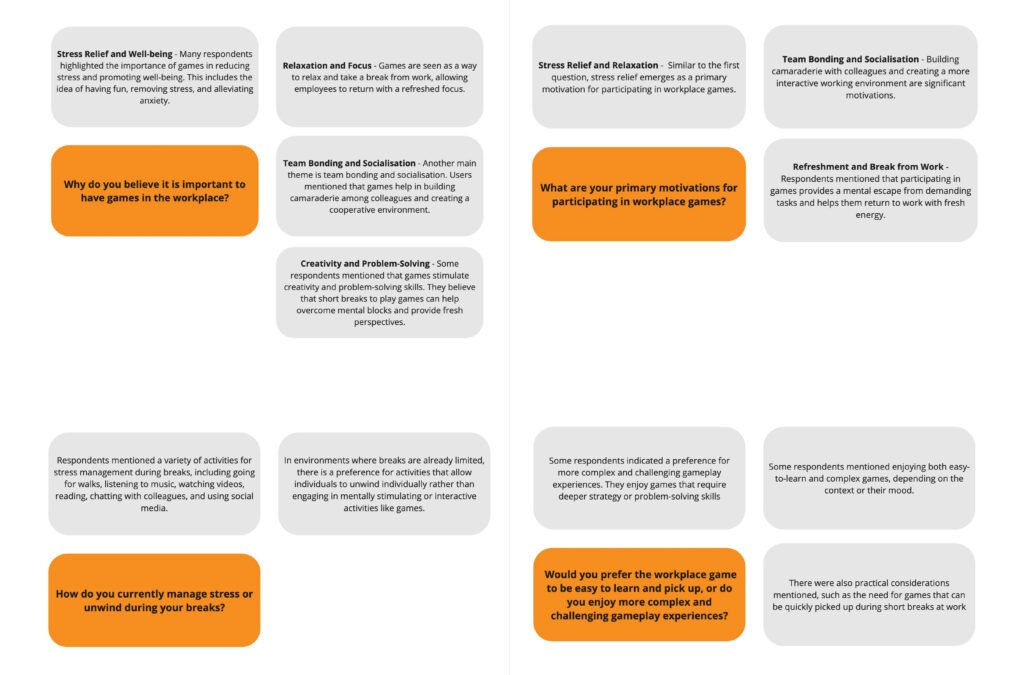
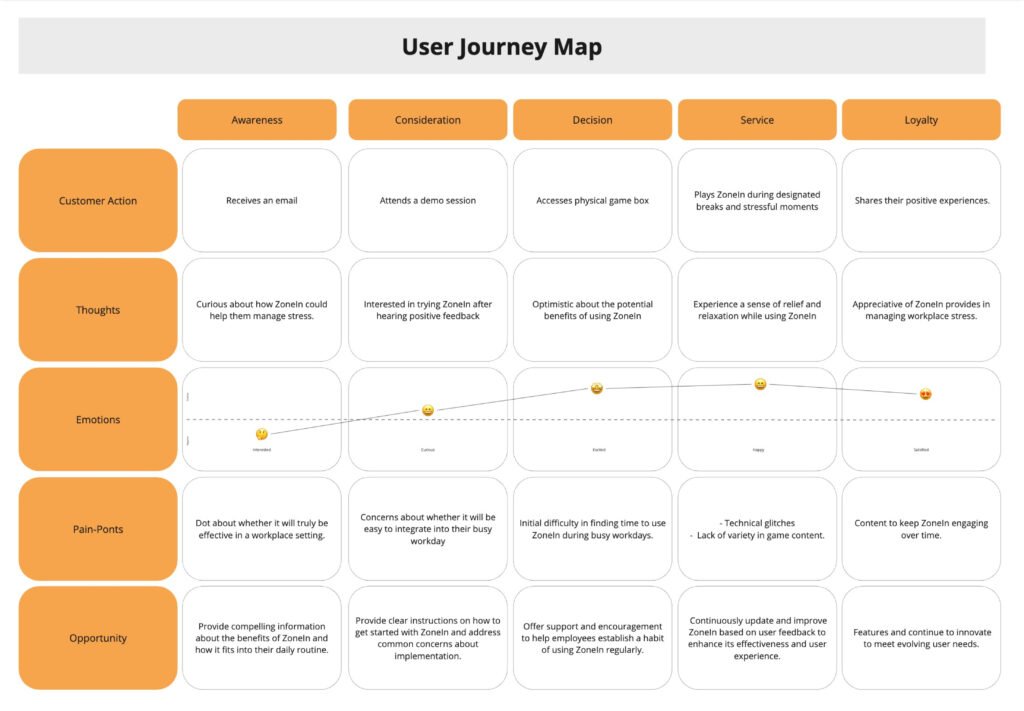
All the things i found from the survey and the design decision and the to understand the users i will implement these in my designs with my secondary research.
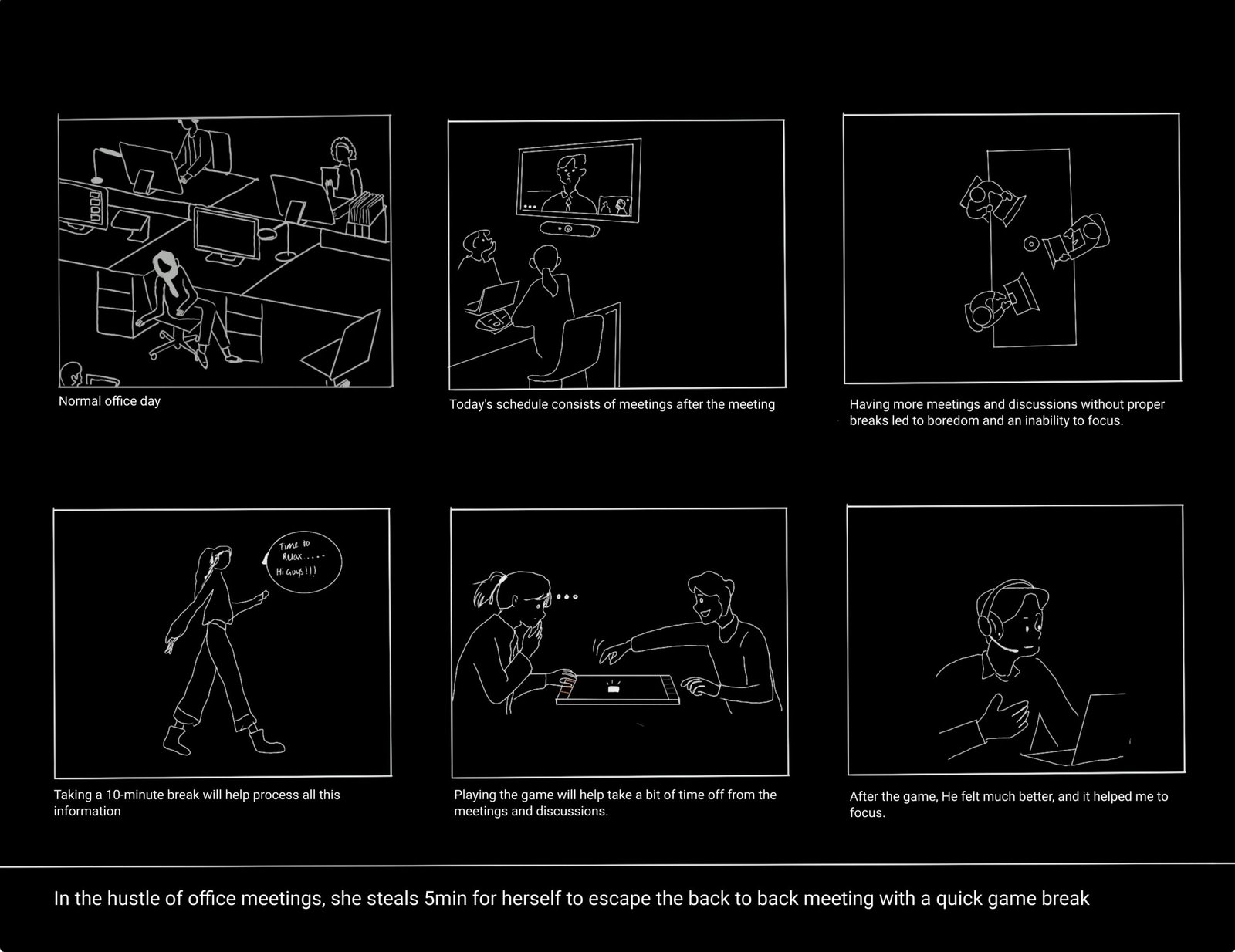
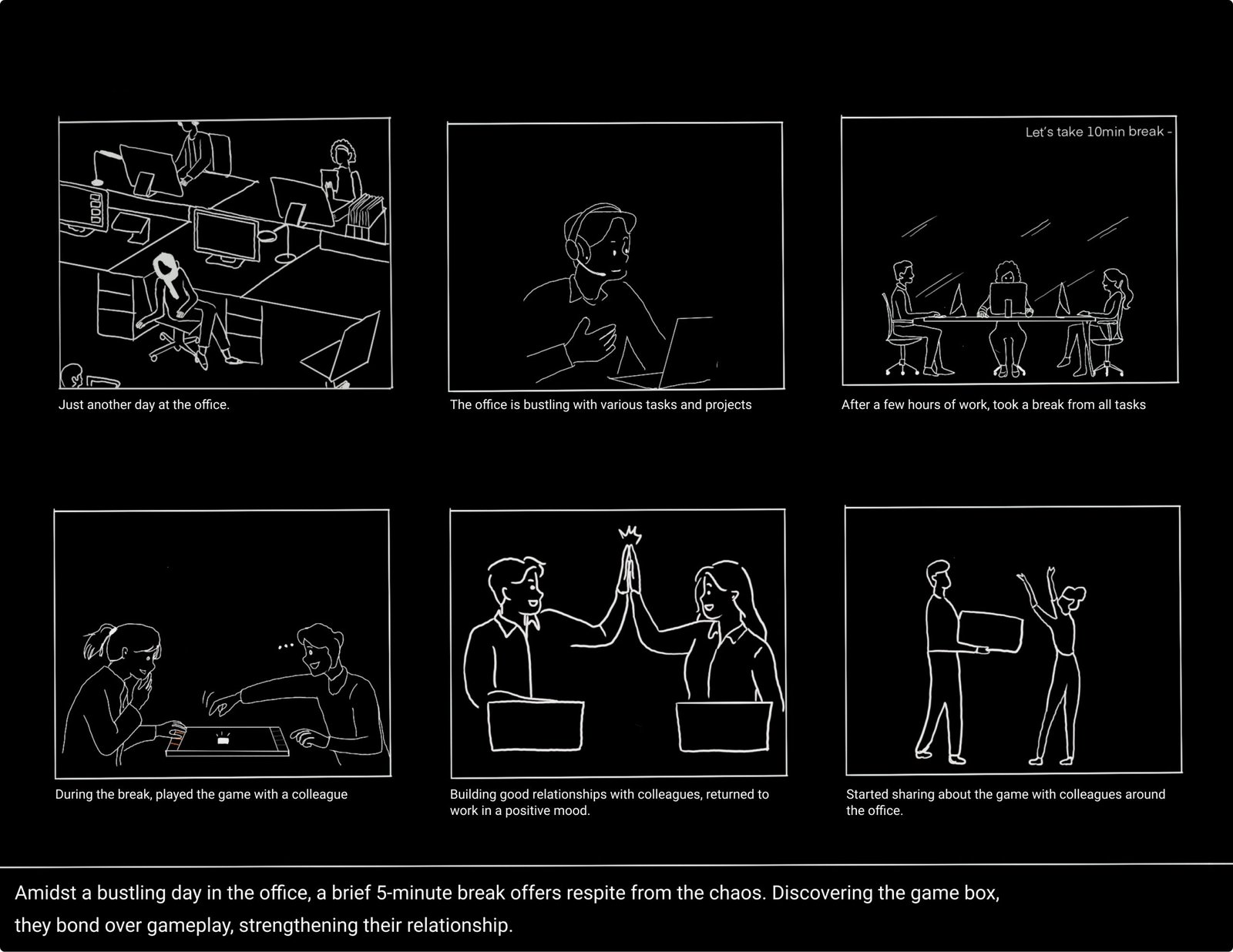
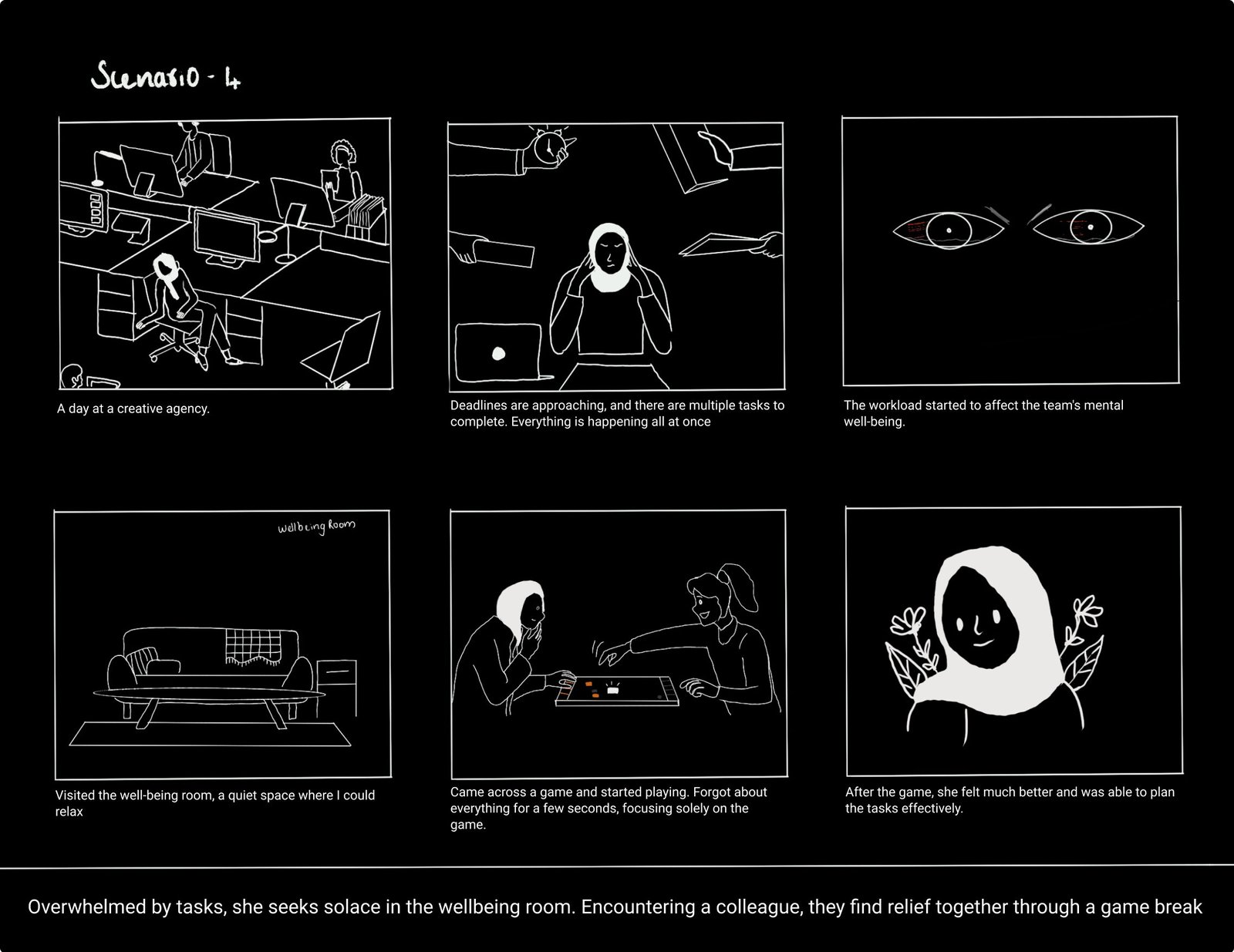
From the survey, I created storyboards. The storyboards are planned to understand which scenario the users would relate to more. Having the storyboards visually gives you a glimpse of what the final product will look like and how it will work within the workplace. I conducted user testing with the four storyboards and asked them to choose the scenario they most relate to. It was interesting to see which scenarios the users picked.
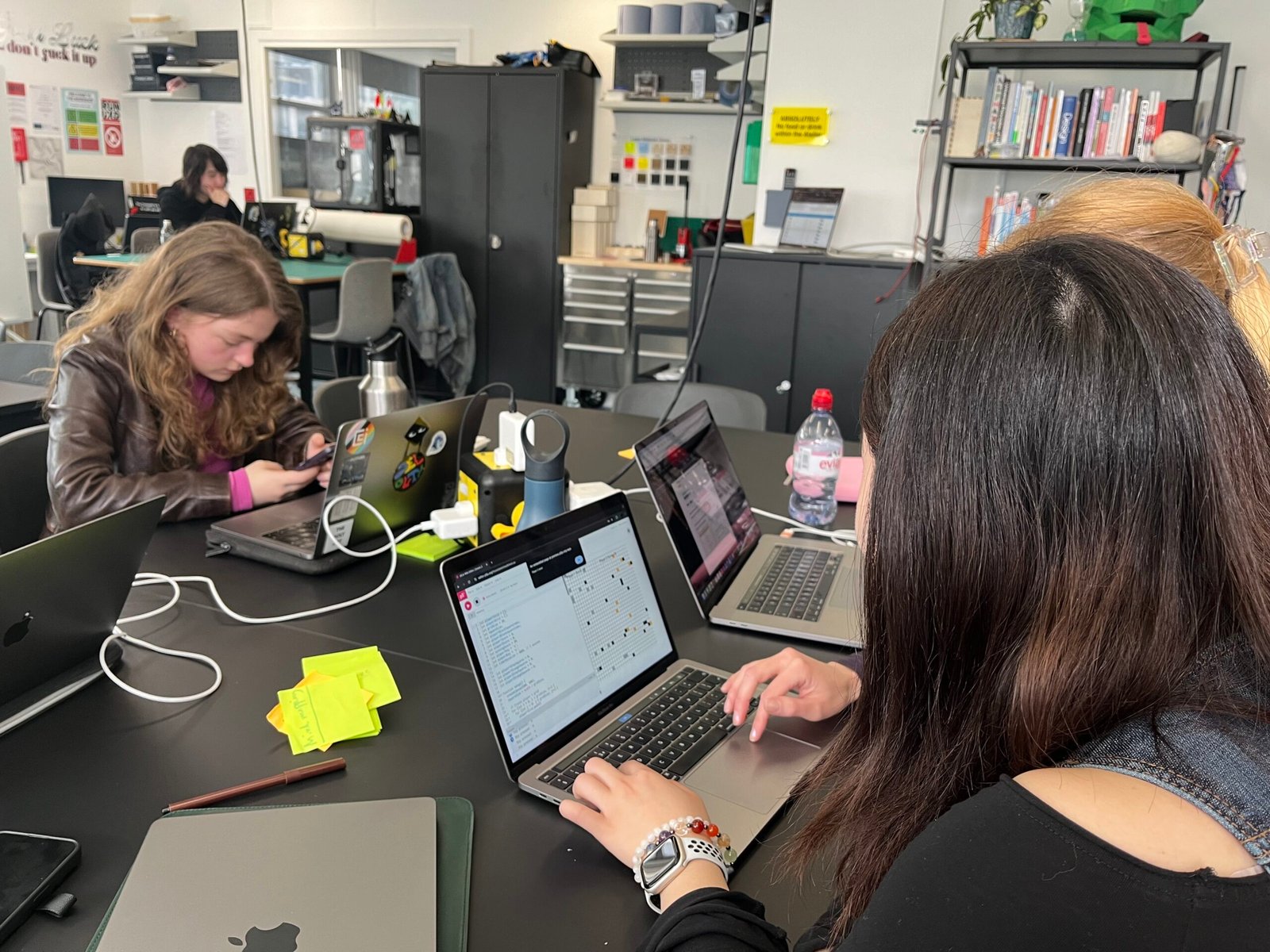
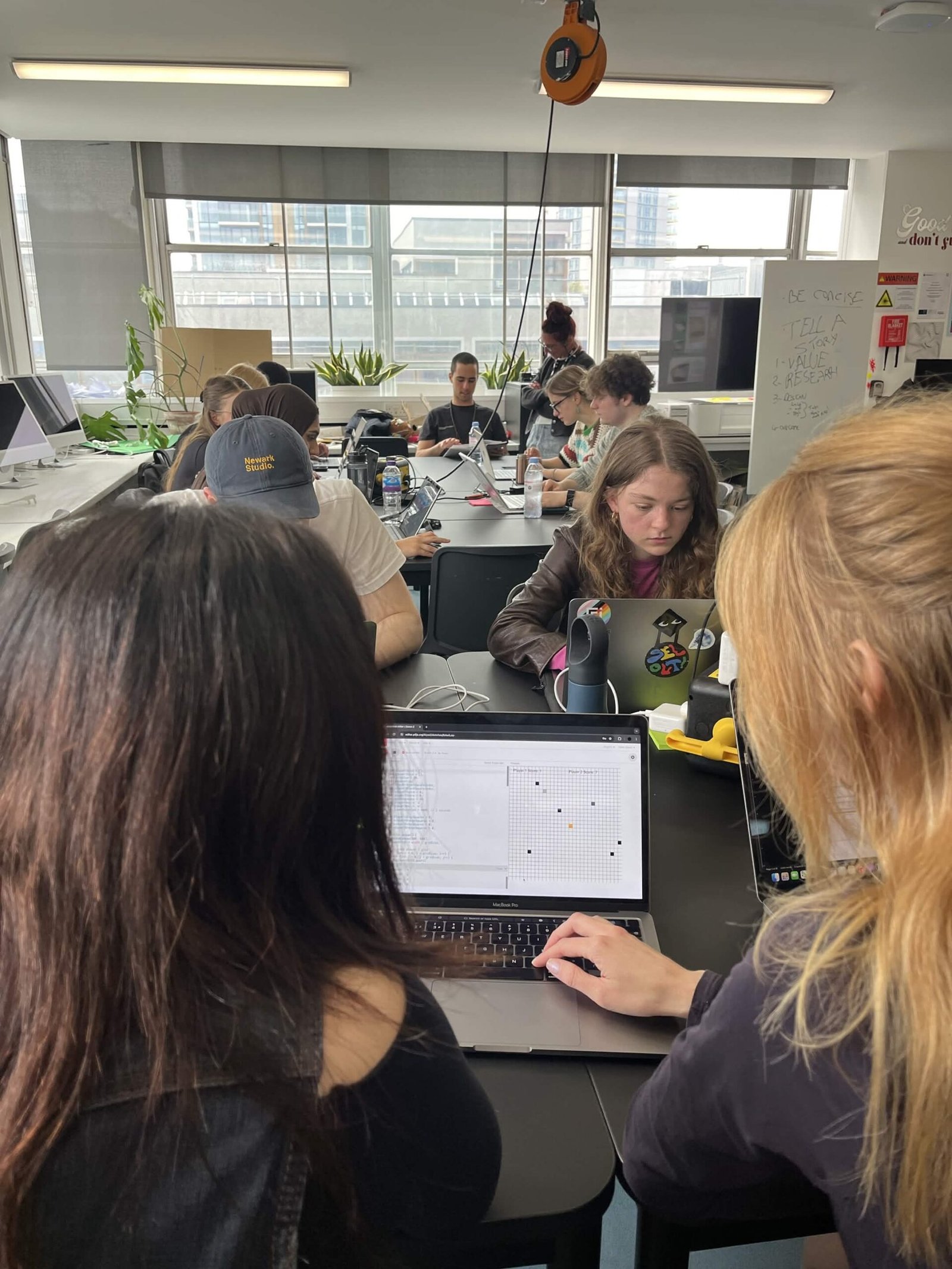
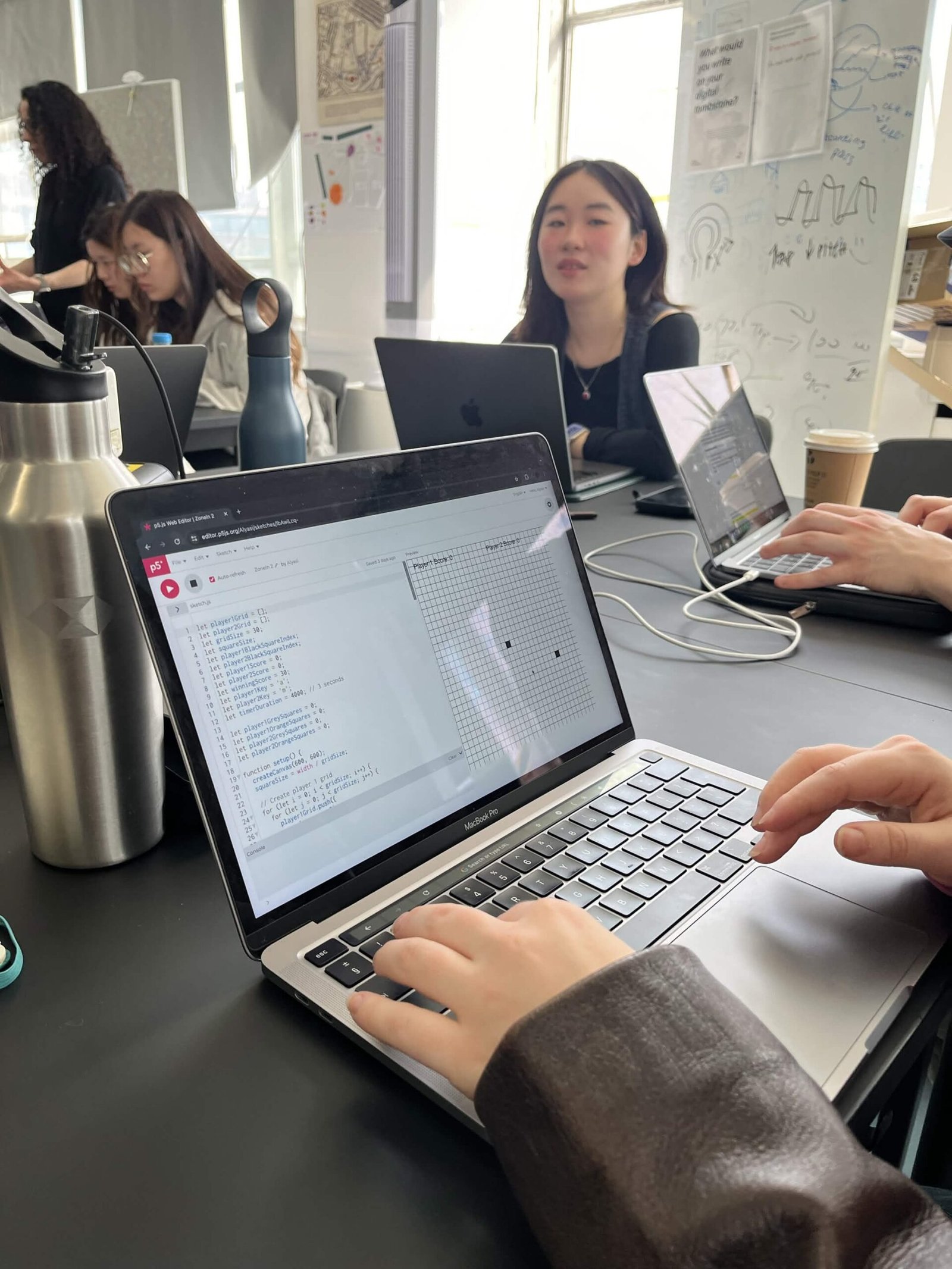
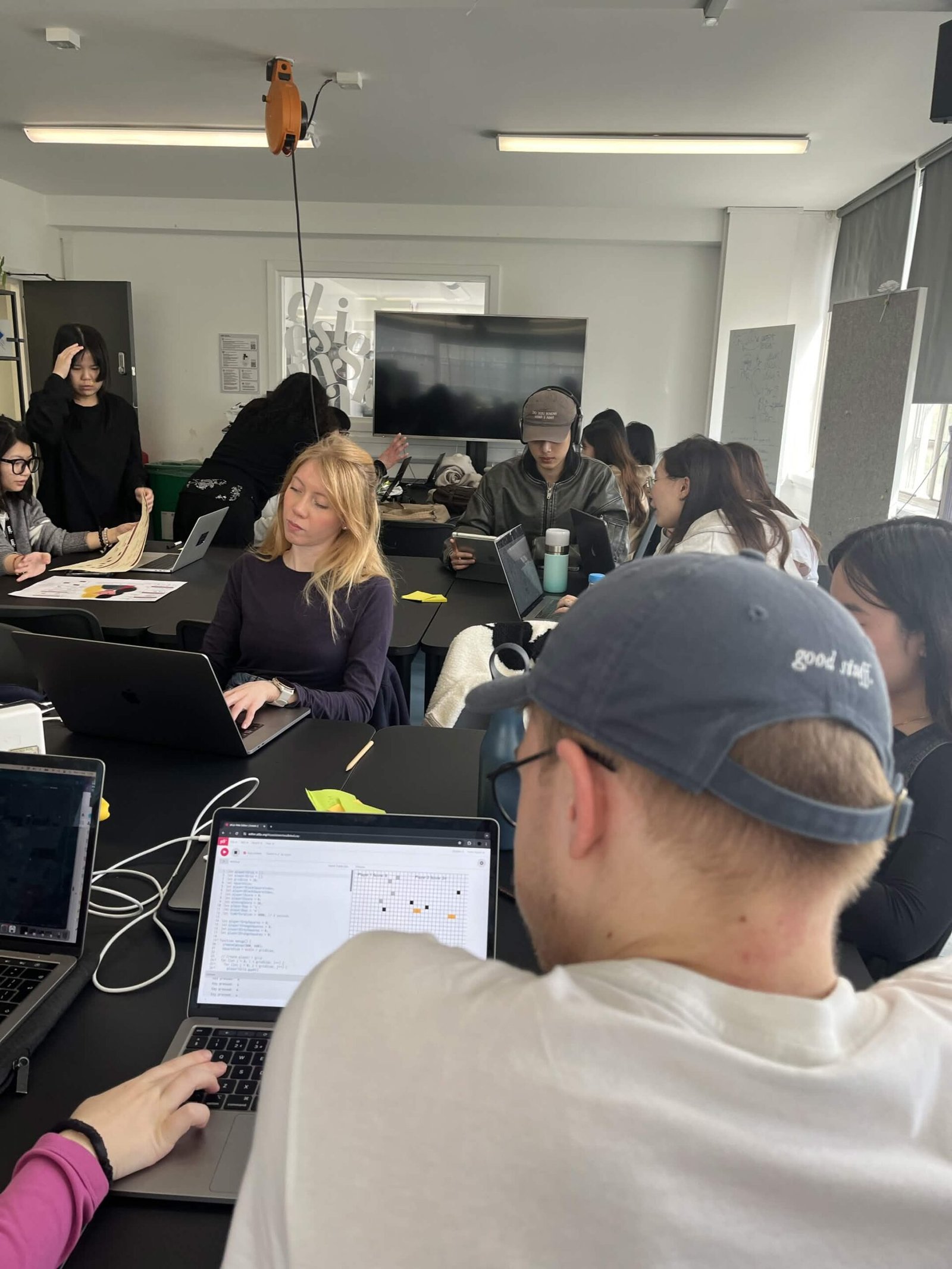
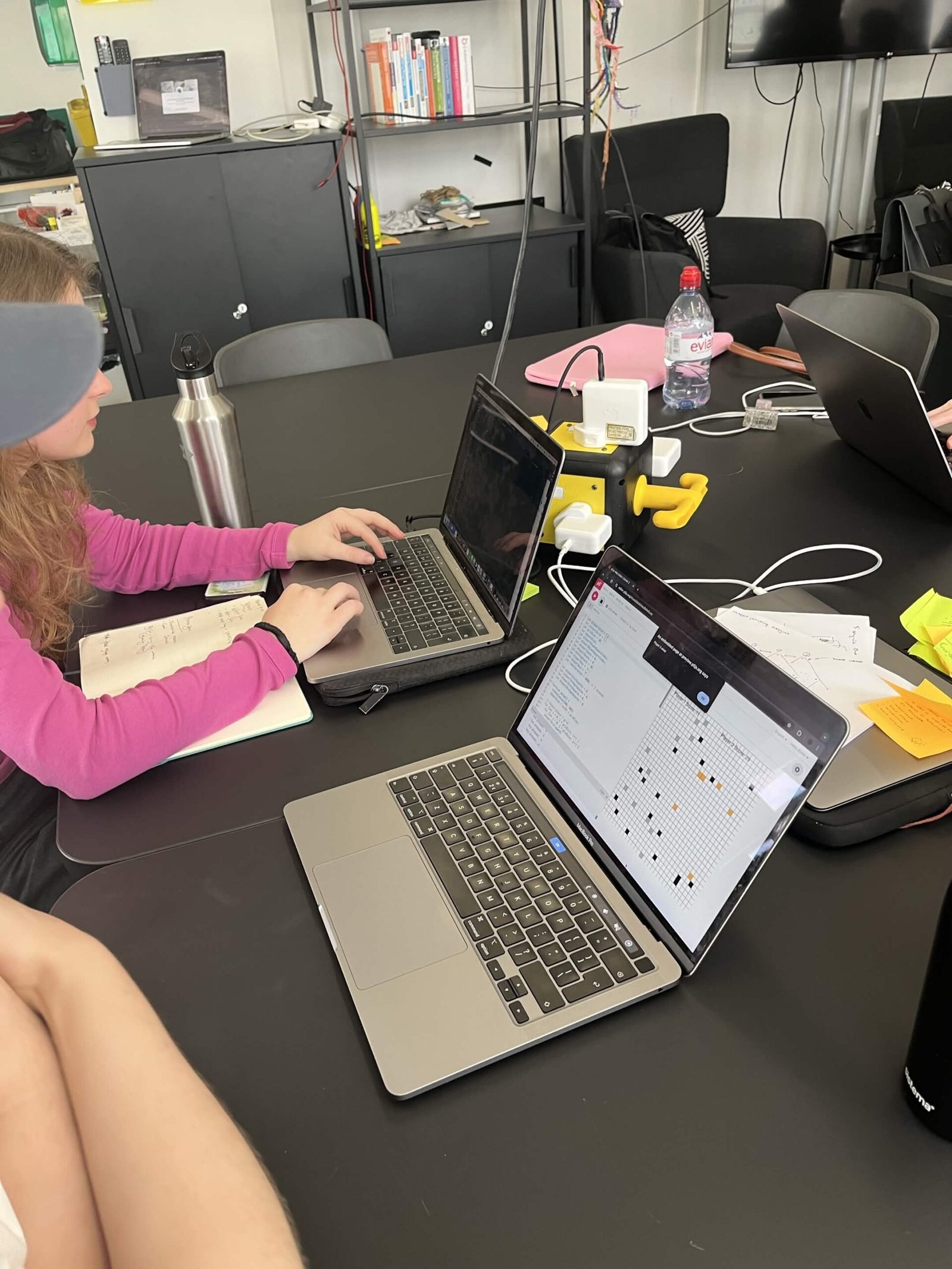
Testing was important to figure out if the game could engage players and help them enter a flow state since the game logic might not exactly match what I wanted. This testing process showed how important it is to keep users engaged, as it directly affects their ability to get into a flow state. After testing, I asked for feedback on how engaged participants felt and if they found the game interesting.
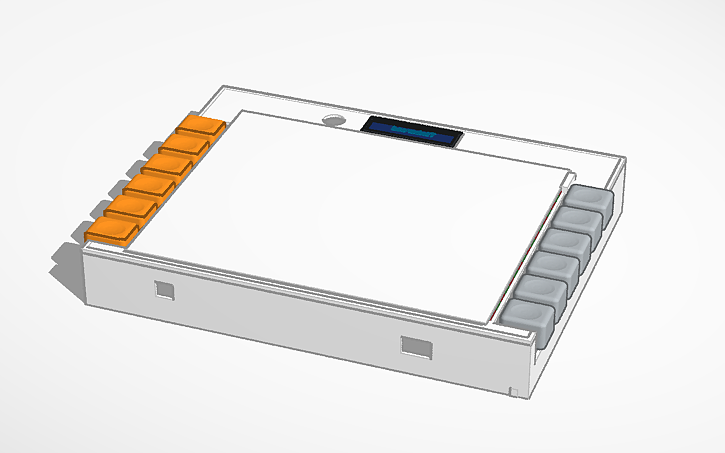
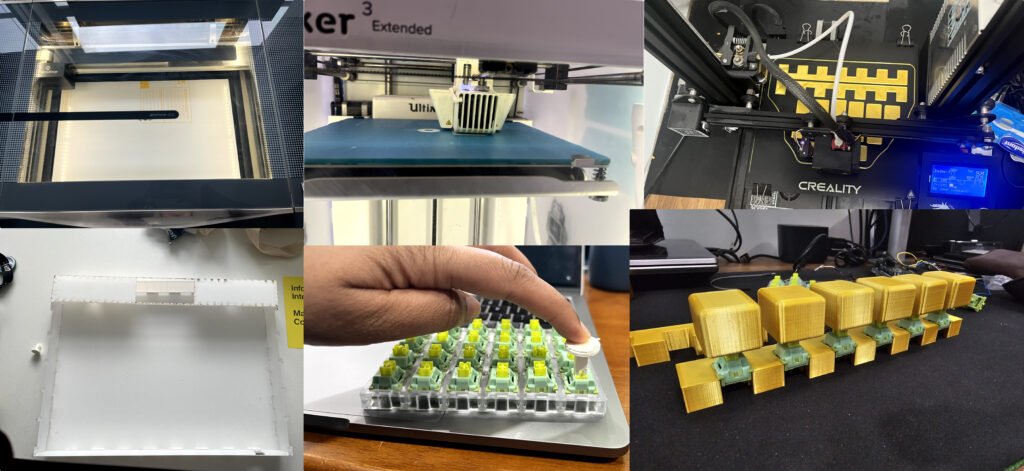
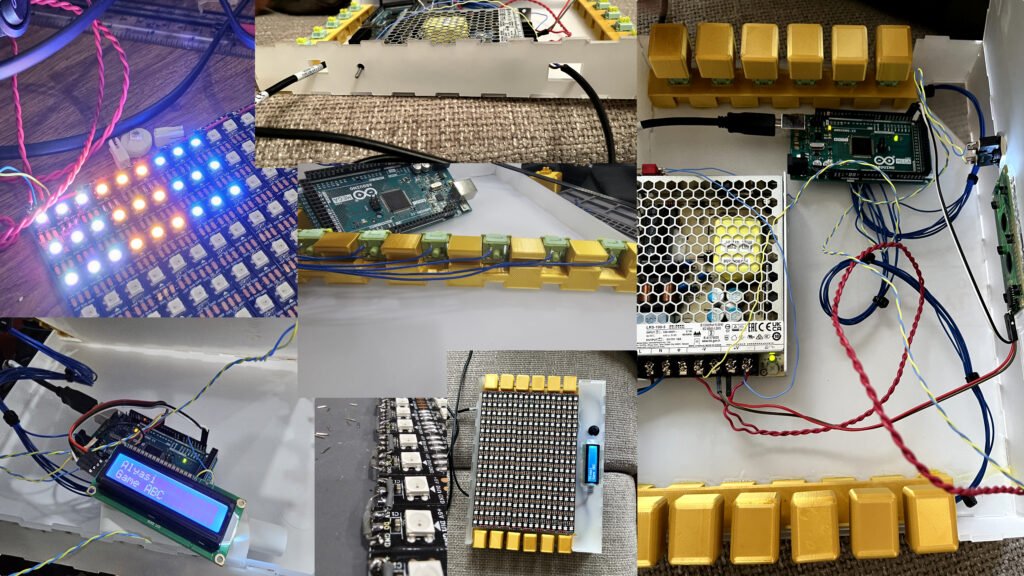
I experimented with materials for the box and 3D-printed the switches multiple times to ensure a proper fit. However, I faced challenges with measurements. After assembling the display, I realized the box was too large to accommodate it. This required me to revisit the 3D design, resize the box, and adjust the switch fittings accordingly.
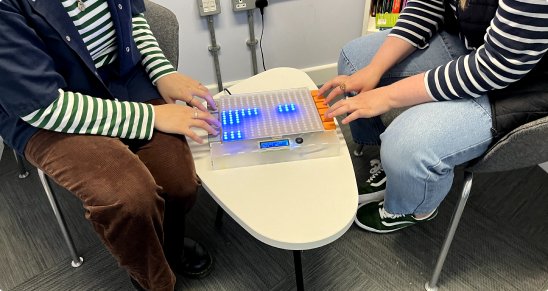
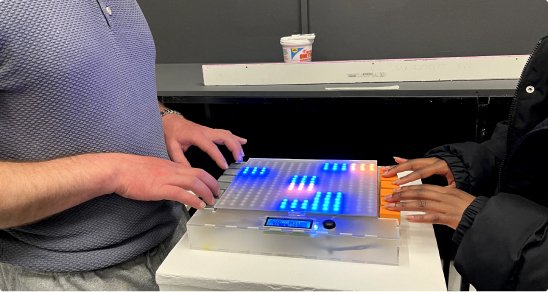
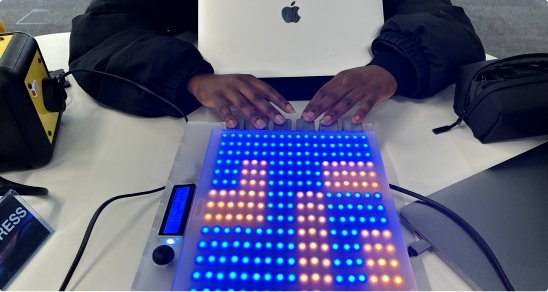
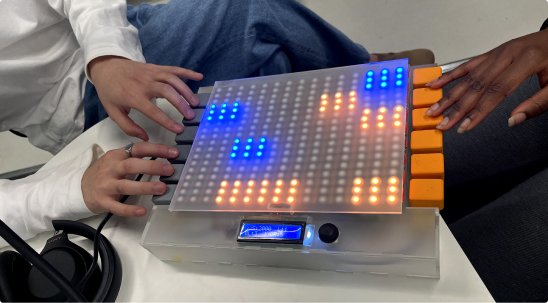
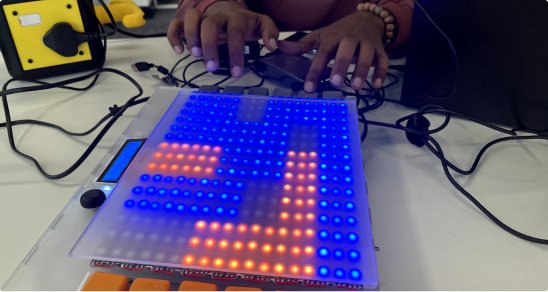
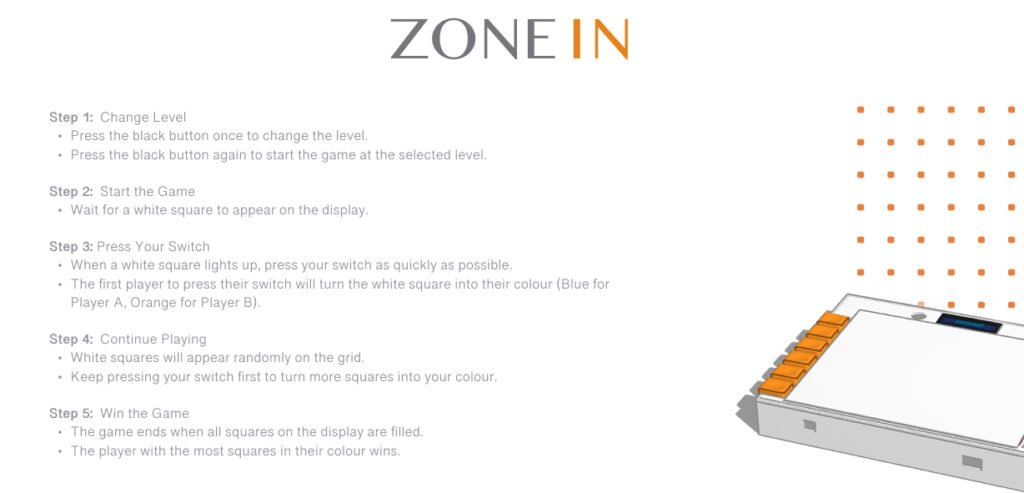
The most significant finding was that the game was engaging, and the players expressed a desire to continue playing and complete most of the levels. The majority of participants understood how to use the game box right from the start after reading the instructions.